Addiction Treatment in Texas: Managing Anxiety and Clinical Depression in Recovery
Recovery hardly ever follows a straight line. In Texas, where distances are lengthy and cultures differ from Gulf Coast towns to Hillside Country ranches, individuals trying to quit alcohol or drug use often bring a second weight: unattended anxiety or anxiety. Those signs do not politely wait their turn. They disrupt rest, blur decision production, and push individuals back towards the alleviation they know. Good addiction treatment anticipates this. It deals with compound use and state of mind with each other, maintains care useful, and respects the truths of life in San Antonio, Lubbock, Houston, the Valley, and the country counties in between.
Why stress and anxiety and depression hit hard throughout recovery
Anxiety and depression rarely start and finish with compounds. They can precede usage by years, then magnify as tolerance constructs, and finally flare when the compound leaves the body. Throughout very early sobriety, the mind's anxiety system is still rectifying. For a number of weeks, sometimes months, your anxiety response runs warm, your reward feedback runs cool, and the middle ground feels thin. That combination makes regular jobs harder and problem sharper.
People explain it clearly. A professional quiting alcohol states mornings bring a tight chest and a pounding heart before his feet struck the flooring. A mother in early recovery from opioids says nights really feel bottomless, as if the day has actually emptied her of every tool. These are not failings of will. They are predictable, physical states that originate from changes in dopamine, norepinephrine, GABA, and glutamate systems, layered in addition to an individual's history and current stressors. If anxiousness and depression go without treatment, relapse threat climbs. If they are dealt with well, cravings drop, rest improves, and the individual can really utilize the treatment and peer assistance that programs offer.
What integrated care looks like in Texas programs
Integrated care indicates one plan covers both material usage and mental wellness, and the team speak with each other. In Texas, that resembles a consumption that evaluates for both. The better clinics make use of quick tools you can complete in 5 to 10 mins: the PHQ-9 for anxiety, the GAD-7 for stress and anxiety, a Columbia range if there is any kind of hint of suicidal ideas, and withdrawal assessments such as CIWA or COWS when alcohol or opioids are included. Those scores do not make a medical diagnosis on their own, however they provide the team a standard and help establish urgency.
Clinicians lean on ASAM criteria to match care degree to extent. Somebody with heavy alcohol usage, trembling, and a PHQ-9 of 18 might require a clinical detoxification adhered to by a partial a hospital stay program in a city clinic. Another individual with modest stimulant use and a GAD-7 of 10, secure real estate, and good family members assistance may fit well in an intensive outpatient program that meets three nights a week. Texas programs differ extensively, so a strong initial concern is basic: that on your group has suggesting authority, who does therapy, and how do you coordinate?
Addiction therapy in San Antonio take advantage of a mix of hospital-affiliated programs, not-for-profit centers, numerous opioid therapy programs along the I-10 and I-35 hallways, and a growing telehealth existence that reaches into Hill Nation and the South Texas Plains. The most effective of these fold psychiatry into the regular flow rather than pushing it to a different waitlist.
Medication selections that respect soberness and mood
Medications are tools, not crutches. Utilized thoroughly, they lower enduring and reduced relapse risk.
Opioid usage condition. Buprenorphine, methadone, and extended-release naltrexone all have a place. Buprenorphine can be started promptly, commonly within 24-hour of moderate withdrawal, and now does not require a special waiver to prescribe. In Texas cities, several primary care clinics have actually included it to their technique. Methadone is readily available through licensed opioid therapy programs, even more common in metropolitan areas than rural areas. For some, methadone's structure and long performance history fit best. Extended-release naltrexone needs full detoxification, which can be difficult, yet it functions well for extremely determined people that do not desire agonist therapy.
Alcohol use condition. Naltrexone, acamprosate, and disulfiram remain the major choices. Naltrexone helps with heavy-drinking days and yearnings. Acamprosate sustains abstaining and is a good choice when liver function is a worry. Disulfiram is not a front-line option for many, but can help when exterior accountability is strong.
Depression and anxiousness throughout recovery. Benzodiazepines bring significant regression threat and can thwart development, specifically in the first months after detoxification. They may still be used short-term in very carefully picked situations, but options typically come first.
- SSRIs such as sertraline and escitalopram are workhorses for generalised anxiety and significant clinical depression. They need 2 to 6 weeks to assist, occasionally longer, and can create a short very early jitteriness that calls for training and, in many cases, a short-term adjunct.
- SNRIs such as venlafaxine assistance when pain or panic blend with depression, but blood pressure and withdrawal syndromes need attention.
- Bupropion assists power and focus, useful in stimulant healing and some depressions, however is not ideal for popular stress and anxiety and ought to be stayed clear of with a seizure history or heavy alcohol withdrawal risk.
- Mirtazapine assists sleep and hunger. For a person slimming down in very early soberness, it can bring back equilibrium promptly and relieve nighttime anxiety.
- Buspirone, hydroxyzine, and pregabalin or gabapentin can aid with stress and anxiety in meticulously picked clients. Gabapentinoids call for guardrails given their misuse capacity in certain populations.
- Trazodone or low-dose doxepin can improve sleep without the rebound that sedatives bring.
Trauma-focused care and anxiety that does not reply to two or even more tests might require references for EMDR, ketamine or esketamine centers, or transcranial magnetic excitement. Those alternatives exist in Texas metropolitan centers, consisting of several sites in San Antonio, Austin, Houston, and Dallas. For ketamine, programs ought to screen for psychosis and screen blood pressure. For TMS, the time commitment is real, typically 5 days a week for 6 to 8 weeks, yet it can be transformative for clients with persistent depression that intend to stay clear of medicine side effects.
Pregnancy warrants unique attention. Without treatment anxiety or opioid usage disorders bring their own threats to mommy and child. Buprenorphine and methadone are safe and evidence based in maternity. For antidepressants, sertraline has a lengthy safety document. Control with obstetrics is nonnegotiable.
Therapy that satisfies symptoms head on
Medication unlocks. Therapy helps you walk through it. Efficient programs blend techniques based upon what an individual in fact deals with day to day.
Cognitive behavioral therapy targets the cycles that connect ideas, sensations, and habits. For depression in healing, sessions frequently start with activation: scheduled, values-based actions that fight inertia. For stress and anxiety, CBT teaches abilities like cognitive reappraisal and graduated exposure.
Dialectical behavior modification gives tools when feelings swing or overwhelm. Mindfulness, distress resistance, and interpersonal efficiency convert especially well for people whose anxiety spikes during problem or whose anxiety grows after isolation.
Acceptance and commitment treatment aids when someone's fight to free themselves of anxiety ends up being the very resource of suffering. In ACT, the person selects an instructions, names worths, approves discomfort as part of living well, and takes actions that line up with that choice.
Trauma-focused treatments, consisting of EMDR and cognitive processing treatment, belong in the strategy as soon as stabilization takes place. Attempting to deal with injury in the first week of detox can backfire. A good medical professional will phase it in when the individual has sleep, nourishment, social assistance, and a few weeks of sobriety.
Contingency monitoring, where people earn tiny, prompt rewards for meeting quantifiable goals, functions well for energizers. Numerous Texas facilities are adding it due to the fact that the data are solid and the approach is fair. It treats the mind you have, not the mind you wish you had.
Peer support fits around every one of this. Twelve-step groups aid many people, yet not every person reverberates with the same layout. San Antonio has a wide food selection: typical meetings across the North Side and South Side, nonreligious recovery teams in the city core, and Spanish-language groups on the West Side. The appropriate conference is the one you go to and use.
Life logistics that relocate the needle in very early sobriety
You can not white-knuckle your way past physiology. Recovery enhances when you put a few supports in your day. San Antonio heat, lengthy commutes, change work, and household timetables complicate this, so think in tiny, repeatable moves.
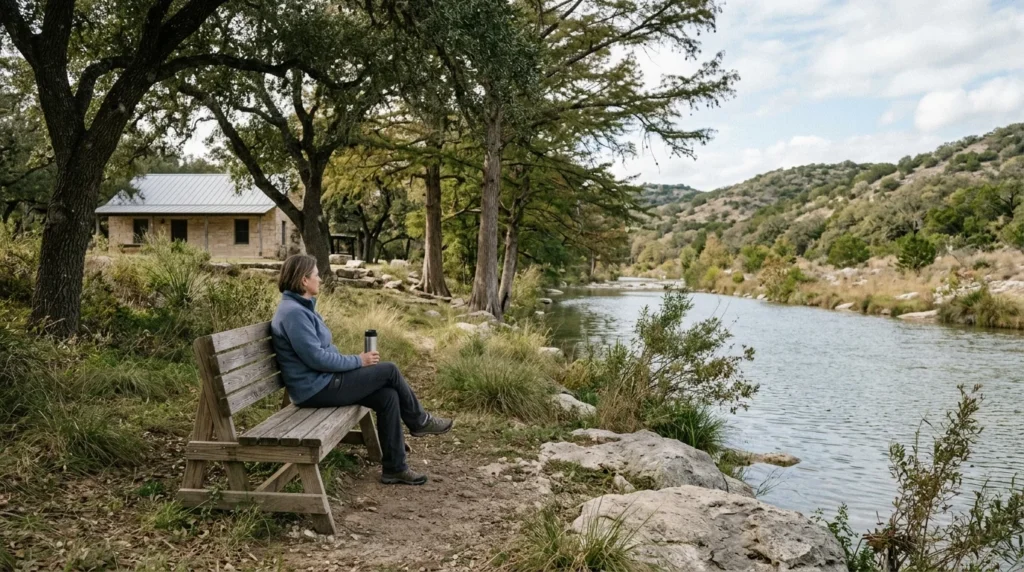
- Morning: hydration, light exposure, and a protein-rich breakfast maintain energy and mood. A ten-minute walk in the early morning sun does a lot more for body clock than an hour inside at noon.
- Midday: 2 minutes of paced breathing, four secs in and six seconds out, lowers arousal without sedation. Couple it with a glass of water and stand from your chair to maintain it from coming to be abstract.
- Afternoon or evening: workout that increases your heart price for 20 to half an hour, three to 5 days a week, contrasts favorably with antidepressants for mild to moderate clinical depression and enhances sleep. In summertime, move it inside your home or to very early hours. Warmth exacerbates irritation and rest problems.
- Night: a constant lights-out time, screens off 60 minutes prior to bed, and a great area are basic but not optional. Alcohol-free sleep deepens gradually over numerous weeks. Count on the procedure, and allow your group understand if sleep problems persists.
Tobacco or pure nicotine usage typically increases during early recuperation. Aim for damage reduction initially if stopping totally feels difficult. Pure nicotine substitute and varenicline assistance. Quitting pure nicotine within the initial month of soberness is ambitious yet attainable for some and associated with much better long-term material outcomes.
Handling acute anxiousness or reduced state of mind without reaching for a substance
Panic attacks usually peak in 10 to 20 minutes. Knowing that does not make them enjoyable, however it offers you a time perspective. Cold water on the face triggers the animal dive reflex and slows down heart rate. Box breathing, a slow-moving stroll outside, or calling five points you can see, 4 you can touch, 3 you can listen to, 2 you https://rowantlep166.huicopper.com/san-antonio-addiction-treatment-incorporating-household-visits-efficiently can scent, and one you can taste, supports focus when your mind says run.
Low state of mind brings a different trap. When power falls, the brain tells you to wait until you feel much better to act. That rarely functions. Behavioral activation flips the order. Act first, then wait for really feeling to adhere to. Select one purposeful job that can be finished in 10 minutes. Clean the recipes, message your sponsor, routine tomorrow's trip to group, or pay one costs. Activity damages the seal on inertia.
Relapse risk, food cravings, and the mood connection
Cravings are state dependent. Poor sleep, hunger, dispute, and isolation amplify them. Anxiety and anxiety feed each of those states. If you track nothing else in the very first month, track sleep and disputes. When either goes off the rails, alert your group. Medication changes, an additional treatment session, or modifications in conference frequency can head off a slide.
Urge browsing sounds simple up until you attempt it with training. A desire climbs up, crests, and falls. If you picture it as a wave, you can quit dealing with and begin riding. Establish a timer for 15 minutes. Breathe on a cadence. Remind yourself that your job is not to make the yearning vanish, only to prevent acting on it until the timer ends. If the urge lingers, reset the timer and repeat, then utilize your escape plan: leave the bar, obstruct the dealership, call the person who really answers.
The Texas accessibility puzzle: expense, geography, and insurance
Texas has world-class medical facilities, yet access spaces remain. In city areas, options abound but waitlists can be long. In country regions, an individual could locate one counselor who covers 3 towns. Telehealth fills up a real demand. Many facilities now provide online IOP groups and psychological gos to that satisfy Texas licensing needs. For people without trusted broadband, phone sessions are still far better than silence.
On price, private-pay domestic remains range commonly, usually from 15,000 to 45,000 dollars for thirty day, with some programs a lot greater. Intensive outpatient programs typically costs insurance and, after deductibles, cost anywhere from 20 to 150 bucks per session expense. Methadone programs charge regular fees that are convenient for lots of, and buprenorphine in health care frequently brings the very same copay as any kind of various other office see. Texas Medicaid covers medication for opioid usage condition and numerous outpatient services. Industrial strategies, by law, must supply parity between psychological wellness and clinical benefits, but plan style issues. Call your insurer with CPT codes from the center to obtain realistic numbers before you start.
For individuals looking for addiction treatment texas wide, the Texas Health and Human Solutions web site lists local mental wellness authorities and substance make use of companies by county. Lots of areas have 24-hour crisis lines and mobile dilemma outreach groups. If you remain in San Antonio, University Health and wellness's behavioral wellness services, the VA for eligible professionals, and numerous community facilities give sliding-scale therapy and psychiatry. San Antonio's dimension additionally indicates numerous recuperation recreation center where you can decrease in, locate teams, and satisfy peers in much less formal settings.
Choosing addiction treatment in San Antonio when mood signs and symptoms are front and center
San Antonio has a distinctive mix of armed forces, Hispanic, and multigenerational households. Social competence is not a buzzword here, it alters end results. Bilingual treatment and groups matter. So do facilities that recognize military society and trauma without romanticizing it.
When you call a program, ask straight concerns: Do you assess for anxiety and depression with confirmed tools at consumption and after the very first month? Can I see a psychoanalyst within 2 weeks? Just how do you work with treatment and medication? What is your policy on benzodiazepines for stress and anxiety in very early recuperation? Do you offer evening teams for people that work service or shift work? Do you have Spanish-language groups and materials? If I relapse, do you change the strategy or discharge me? The answers will inform you just how the center thinks.
Working the trouble as a team
Recovery gains rate when duties are clear and the calendar is practical. Take into consideration securing your strategy with a brief roster.
- Prescriber manages drugs for both addiction and mood, evaluates negative effects, and changes doses based upon weekly sign ranges and client feedback.
- Therapist focuses on skills, direct exposure, injury timing, and couples or family sessions if problem drives symptoms.
- Peer assistance gives accountability and lived experience that shortens finding out curves.
- Primary treatment tracks high blood pressure, liver and kidney function, sleep apnea risk, and other medical concerns that affect mood and cravings.
- Family or chosen support person attends at least one session to learn just how to help without hovering, and to set limits that shield every person's stability.
This looks simple theoretically. In method, a missed visit or a medicine side effect can surge with the week. Maintain contact number in one location. Share a quick weekly upgrade among the team members you count on, even if it is simply a message through the facility's portal.
Special populaces and edge cases
Adolescents in Texas often face long drives to specific programs. When access is limited, focus on evidence-based family members treatment and school control. Deal with clinical depression early. Stay clear of benzodiazepines. Usage backup management and moms and dad coaching to construct momentum.
Older adults in recovery existing differently. They might drink less by quantity yet experience a lot more harm. Clinical depression can impersonate as memory troubles or passiveness. Beginning drugs reduced, go slower, however do not undertreat. Pain and isolation are entitled to as much focus as the bottle in the cabinet.
Veterans and active-duty households become part of the material of San Antonio. Integrated PTSD and substance utilize care is necessary. Shifting from high doses of high levels of caffeine, nicotine, and pressed sleep schedules to a recovery-friendly regular takes perseverance and buy-in from the entire household.
Postpartum patients are entitled to fast gain access to. Naltrexone and acamprosate are sensible for alcohol. Buprenorphine or methadone stay the criterion for opioids. Sertraline is a reasonable first-line antidepressant. Consist of lactation therapy and pediatric input. Without treatment mother's clinical depression increases regression threat and affects infant development.
A short situation from the field
A 34-year-old auto mechanic from the South Side looked for addiction treatment after losing his job for drinking at lunch. He reported two years of daily alcohol usage, trembling on waking, and a PHQ-9 of 17. He also defined upper body tightness and fret that something negative would happen whenever he left the house. He had actually attempted quiting in the past and lasted six days, after that consumed alcohol after an argument with his partner.
The team prepared a three-day outpatient detoxification with close surveillance and thiamine supplementation. Naltrexone began on day 4. Mirtazapine during the night helped rest and cravings. A therapist started behavioral activation, with a simple schedule: stroll ten mins after breakfast, call a sponsor by midday, and prepare dinner twice a week. The couple attended one session to set guideline for debates and alcohol in the home.
In week two, anxiousness increased. As opposed to including a sedative, the medical professional started hydroxyzine as needed, rehearsed paced breathing, and recommended 2 nonreligious conferences that satisfied near the bus course he made use of. By week four, his PHQ-9 dropped to 9. He still had rough days, specifically when warmth forced him inside and isolation slipped in, however he had a strategy. At three months, naltrexone proceeded, therapy shifted towards injury processing, and he returned to a different shop with daytime hours. Not a wonder, but a constant build.
Safety planning that appreciates real risk
If anxiousness or clinical depression intensify to ideas of self-harm, act immediately. In Texas, calling 988 connects you to the Suicide and Situation Lifeline, with local routing. Many counties, including Bexar Area, run mobile dilemma groups that can concern your area. If you have an energetic strategy or can not stay secure, go to the nearest emergency situation division. If you remain in San Antonio, bigger healthcare facilities have psychiatric evaluation capacity and can bridge you to outpatient care.
Medications and alcohol or illegal medicines in the home deserve an appearance. Lock boxes lower impulsive use. If firearms are present, take into consideration temporary off-site storage space with a trusted individual or a neighborhood program made for safe storage space. This is not regarding national politics. It has to do with surviving via the narrowest component of the road.
Measuring development and adjusting without shame
Mood and anxiety are not pass or fall short. Usage simple markers. Is rest improving by 20 to thirty minutes per evening over the very first month? Are yearnings shorter and much less intense? Are you doing two or three significant activities each day most days of the week? Are drugs creating adverse effects that surpass benefits? If the solution to any one of those is no, state so. Your team's work is to change, not to scold.

Relapse does not get rid of abilities learned. It is information. Possibly the timing of therapy missed a mid-day danger zone. Perhaps a medication dosage was as well low, or a negative effects got dismissed. Bring that details forward. Individuals who stay involved after a gap commonly exceed those who white-knuckle for weeks after that disappear.
The profits for Texans seeking addiction treatment and relief from anxiety or depression
Integrated care is not a high-end. It is the backbone of resilient recovery. Seek programs that place material use, anxiousness, and depression into one strategy. Anticipate to see verified testing, practical medicine options that avoid fast solutions with long tails, and treatment that matches your real life. If you stay in the city, make use of the density of sources to your advantage. If you reside in a smaller community, leverage telehealth and plan for transportation when a week to reach vital consultations. If you are searching for addiction treatment in San Antonio, ask about bilingual services, evening groups, and just how the center works with military households. Most importantly, maintain the circle little however active. One prescriber, one therapist, one or two peers, and one helpful person in your home can carry an unexpected quantity of weight.
Texas is big, however recuperation happens local. A cool room in August, a meeting 2 bus stops away, a therapist that returns messages, and a prescriber that knows your Tuesday early mornings are the hardest. Stress and anxiety and clinical depression do not disappear in a day. With the best assistance, they stop steering the car.